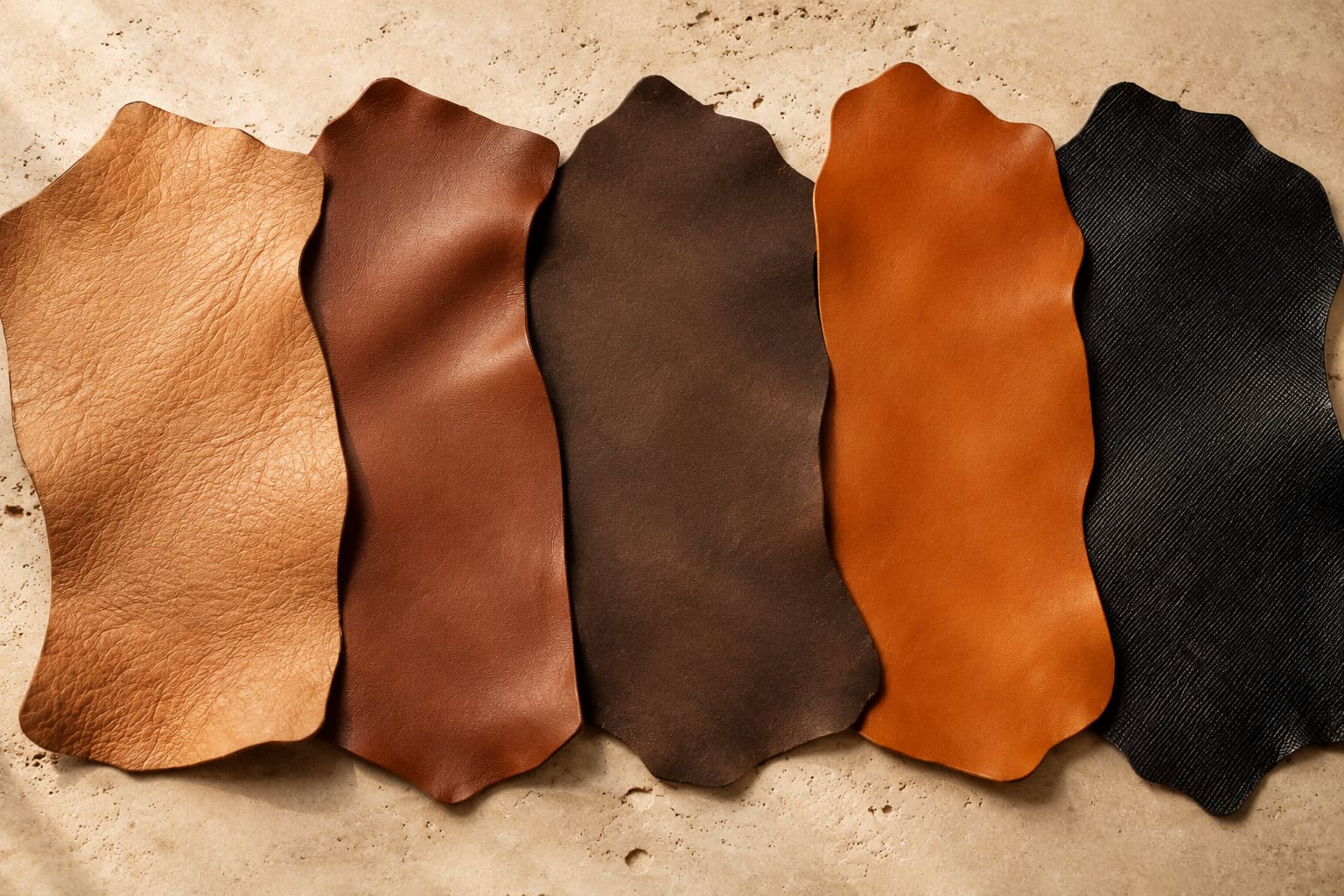
Leather grade is a positioning decision
A useful leather specification separates grain layer, tanning method, animal species, temper, thickness, and surface finish. Full-grain and split describe the hide layer; vegetable-tanned describes a tanning method; Saffiano describes a cross-hatched surface treatment. They are not grades on one scale.
Compare the options below by wallet construction, expected use, target price, acceptable natural variation, care requirements, and available records.
The leather grades at a glance
Full-grain
Retains the natural grain surface and is often selected for visible character and patina potential. Actual performance and cost depend on the leather article, grade, temper, finish, cutting yield, and construction.
Top-grain
Uses the grain layer with sanding or finishing to create a more uniform surface. Do not infer durability from the name alone; compare the actual coating, temper, thickness, construction, and target tests.
Split leather
Leather from the lower split of a hide, usually finished or embossed to create the required surface. Specify coating adhesion, flex performance, thickness, and labeling requirements.
Vegetable-tanned
Leather made primarily with vegetable tanning agents. Temper, initial color, finish, and patina behavior depend on the selected leather article.
Cross-hatched and embossed finishes
Surface treatments applied to a specified base leather. State the base, embossing, coating, temper, and target performance separately.
Compare longevity, batch consistency, and leather cost
Durability and batch consistency cannot be inferred from one label. They depend on the leather article, layer, tannage, thickness, temper, finish, construction, use, and care. Full-grain may show more natural variation; corrected-grain leather can provide a more uniform surface; split leather requires clear coating and flex requirements.
Select the specification that meets the wallet's structure, appearance, performance, care, labeling, and target-price requirements. Confirm it with a physical sample and relevant material records.
How leather ages — and how to set buyer expectations
Aging is a feature for some grades and a defect for others. Full-grain and vegetable-tanned leather are often chosen for patina: the surface darkens, softens, and takes on a personal character with use. If that is your story, say so on the product page — otherwise buyers may report the color change as a flaw. Coated leathers like saffiano are specified to reduce visible change and maintain a more uniform appearance; the result still depends on the coating, construction, use, and care. Matching the aging behavior to the buyer's expectation is as important as the grade itself, and it should be reflected in both your product copy and your care instructions.
Ask for hides, tannery origin, and test reports up front
If quality or compliance is part of your pitch, secure the details before you commit to bulk. Ask which tannery the leather comes from and whether the selected material has current documentation for the claim you need (for example, a Leather Working Group rating). For markets like the US and EU, confirm relevant restricted-substance testing — Prop 65 and REACH — and ask for third-party reports. A capable manufacturer should help source to a specified grade and origin, then confirm which certificates and swatches are available for the exact order before you approve bulk.
FAQ
Which leather type is the most durable?
There is no universal durability winner: full-grain is often selected for its intact grain and patina potential, while top-grain can offer a more uniform surface at a lower cost. Actual wear depends on the selected grade, finish, construction, use, and care, so confirm the target tests and approval sample for your product.
Is 'genuine leather' a leather grade?
No. It indicates that a material is leather but does not identify the grain layer, grade, tannage, thickness, or finish. Ask for the precise leather specification instead.
What is saffiano leather?
Saffiano describes a fine cross-hatched surface treatment rather than a leather grade. Confirm the base leather, embossing, coating, temper, and target performance; the term does not mean the finished product is waterproof.
Can you mix leather grades in one product?
Yes — mixing is common and often smart. A full-grain exterior with a lighter lining leather, or a saffiano shell with a soft interior, lets you balance cost, durability, and feel. Just confirm the construction in a pre-production sample.
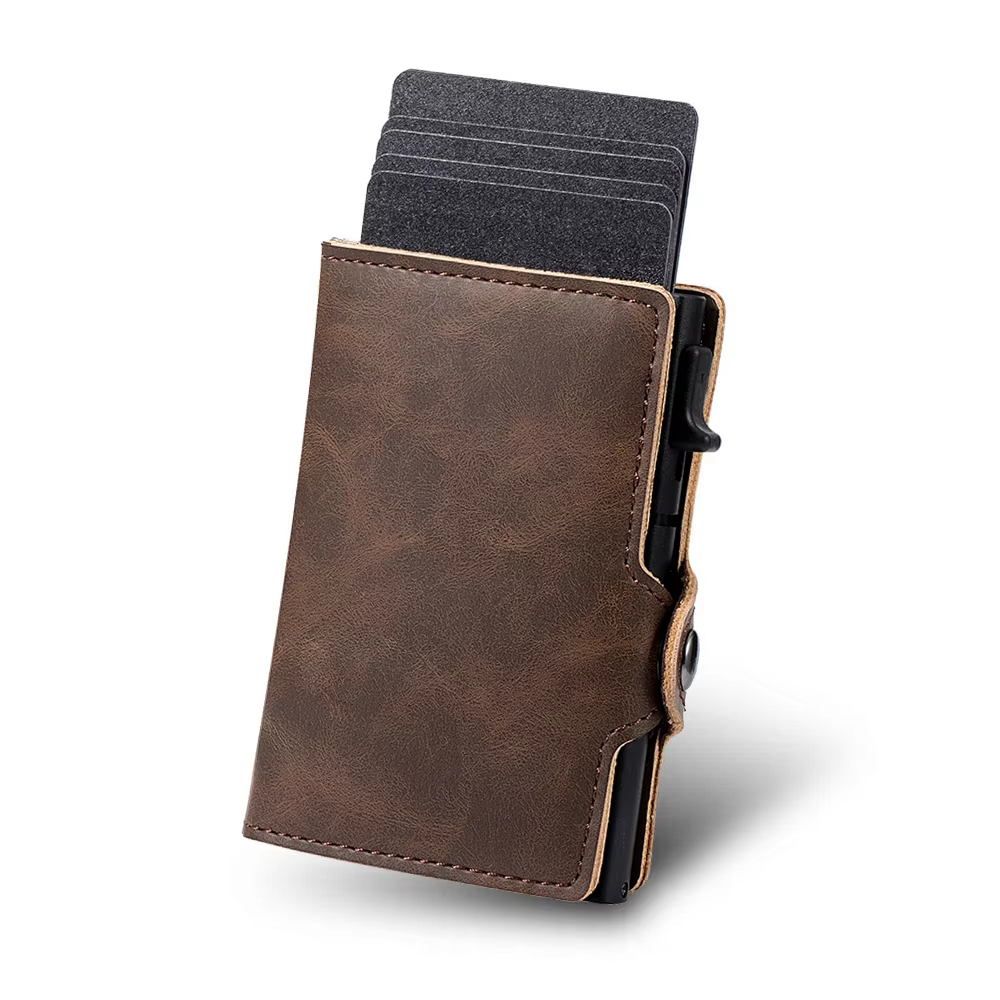
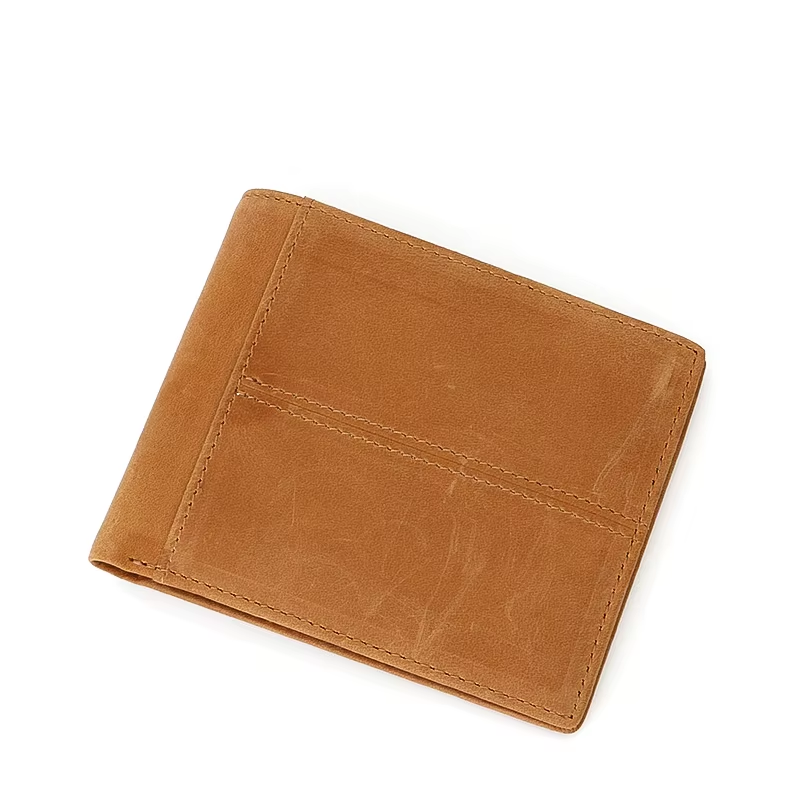
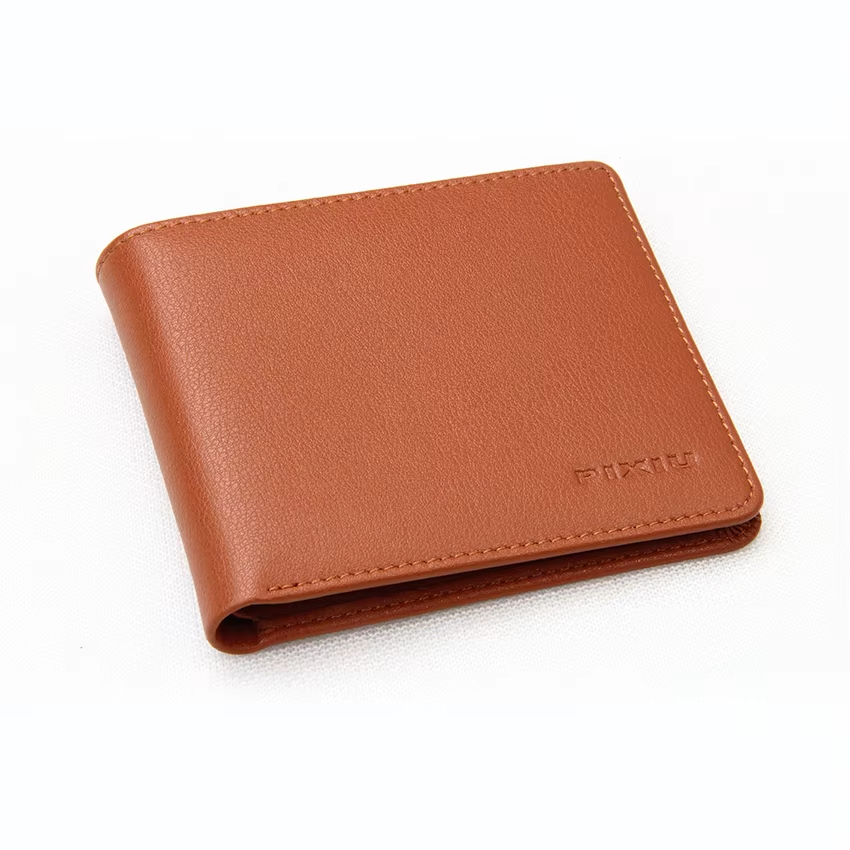
Wallet formats for your selected leather specification
Not sure which leather fits your product?
Share the wallet construction, target price, expected use, and market so we can compare suitable leather specifications and swatches.
Get a Custom QuoteSources and standards
- ISO 15115:2019 — Leather vocabulary · International Organization for Standardization
- Leather Guides — 16 CFR Part 24 · U.S. Federal Trade Commission
- Leather Manufacturer Standard · Leather Working Group
- REACH Regulation · European Commission